Thinking about solar panels but unsure if they’re worth it? Here’s the truth:
Solar energy works well even in Northern Ireland’s cloudy weather, costs less to install than you might think, and requires minimal maintenance. Plus, it saves money on electricity bills, raises property value, and modern panels are designed to look good.
Here’s a quick breakdown of the top myths:
- Myth 1: Solar panels don’t work in cloudy weather.
Fact: Panels generate electricity from daylight, not heat, and work efficiently in cooler climates. - Myth 2: Solar panels are too expensive.
Fact: Costs have dropped significantly, and government incentives make them more affordable. - Myth 3: They need a lot of maintenance.
Fact: Panels require little upkeep, with occasional checks and cleaning. - Myth 4: Solar energy doesn’t save money.
Fact: You can save hundreds annually on bills, with systems paying for themselves in under 10 years. - Myth 5: Solar panels lower home value and look bad.
Fact: They often increase property value and can be installed to blend in with your roof.
With energy prices rising and solar technology advancing, there’s never been a better time to consider solar for your home.

5 Solar Energy Myths vs Facts for Northern Ireland Homes
Myth 1: Solar Panels Don’t Work in Northern Ireland’s Weather
It’s a common misconception that Northern Ireland’s cloudy weather makes solar panels ineffective. The truth is, solar panels rely on light rather than direct heat to generate electricity. Modern photovoltaic panels are designed to capture a wide range of sunlight, including the diffused light present on overcast days.
In fact, Northern Ireland’s cooler climate offers an unexpected advantage. Solar panels operate most efficiently at around 25°C, and their performance decreases by about 0.3%–0.4% for every degree above this optimal temperature. As First Class Solar explains:
In Northern Ireland, the cooler climate provides an advantage most people wouldn’t think of – by allowing solar panels to operate closer to their optimal temperature range for much of the year, we reduce any efficiency losses.
When temperatures hover around 5°C, solar panels can even exceed their rated output. This efficiency translates into substantial energy production.
The numbers back this up. A 4.5 kW solar system installed on a south-facing roof in Northern Ireland can generate roughly 3,380 kWh of electricity annually – enough to cover most household energy needs. Larger systems, like a typical 5.2 kW installation, often produce over 4,000 kWh per year. Studies also show that solar panels in Ireland degrade at a slower rate compared to other regions. Between 2008 and 2017, panels in Ireland experienced a degradation rate of about −0.57% per year, which is less than the −0.7% to −0.9% per year observed in hotter areas of England and significantly lower than the −1.05% to −1.16% per year seen in colder parts of Scotland.
Additionally, Northern Ireland’s frequent rainfall provides a natural cleaning mechanism for solar panels, helping to remove dust, pollen, and other debris that could reduce efficiency. The region’s mild maritime climate, with its lack of extreme temperatures, further supports the long-term performance and durability of solar panels.
Myth 2: Solar Panels Cost Too Much to Install
The idea that solar panels are prohibitively expensive is no longer accurate. Over the last decade, installation costs have plummeted thanks to advancements in technology and growing competition in the market. By 2024, the average cost of installing one kilowatt of solar panels was approximately £1,950, making solar energy far more affordable than it used to be.
On top of this, government incentives have made a big difference. The 0% VAT relief on solar panels and batteries, available from 1 April 2022 to 31 March 2027, allows homeowners to save around £2,850 on a typical 4 kW system with battery storage. These savings, coupled with falling prices, have made solar installations a much more realistic option for both homeowners and businesses. EECO Energy, for instance, offers highly competitive rates that highlight just how affordable solar has become.
Take EECO Energy’s offerings as an example: a 4.5 kW system with 10 panels costs £3,950 and can generate roughly 3,380 kWh annually if installed on a south-facing roof. For those with larger energy needs, a 7.2 kW system with 16 panels is priced at £4,850, producing around 6,189 kWh per year. Even bigger? A 9 kW system with 20 panels costs £5,900 and generates approximately 7,099 kWh annually.
Beyond the upfront costs, the financial benefits of solar panels make them a solid long-term investment. With a return on investment of about 5–6% per year, homeowners can see annual energy bill savings of at least £400. Additionally, the Smart Export Guarantee allows you to earn up to 30p per kWh for excess energy exported back to the grid. With a lifespan of over 25 years and minimal maintenance required, solar panels are a practical and rewarding choice for energy-conscious households.
Myth 3: Solar Panels Need Frequent Maintenance
One of the great things about solar panels is their simplicity – no moving parts means they require very little upkeep. Once installed, they can generate electricity year after year with minimal intervention.
In Northern Ireland, the frequent rainfall actually works to your advantage. The rain naturally washes away loose dirt and debris, helping your panels stay clean without much effort. As Solarfix puts it:
With the frequent rain we experience in Northern Ireland, the natural washing effect helps keep your panels clean and efficient, ensuring they continue to perform optimally with very little effort on your part.
This natural cleaning means you won’t need to worry about constant maintenance, though occasional inspections are still a good idea.
To keep your solar panels running at their best, an annual visual check is recommended. Look out for dirt, damage, or loose wiring – especially after storms. If your panels are in a hard-to-reach spot, it’s worth calling in a professional. For a deeper clean, a professional service every five years is suggested, as dust build-up can cut energy output by up to 30%. Additionally, an electrical system check around the 10-year mark, and then every five years after that, helps ensure long-term efficiency.
It’s also worth budgeting for replacements down the line. Inverters typically need replacing every 10–15 years, with costs ranging from £800 to £1,400. Batteries, if part of your system, may last around 12 years before needing replacement.
For peace of mind, companies like EECO Energy offer comprehensive maintenance packages and a 25-year warranty on installations. With proper care, your solar panels can keep generating energy for 30–40 years, making them a durable and reliable investment.
sbb-itb-d2d975a
Myth 4: Solar Energy Doesn’t Save Money Long-Term
When it comes to solar energy, one of its undeniable perks is long-term savings. From the moment your system is up and running, your electricity bills start shrinking. That’s because solar panels generate power using daylight – not just direct sunlight. This is especially important in places like Northern Ireland, where cloudy skies are a regular feature. Instead of relying solely on the grid, you’re producing your own electricity, and those savings add up year after year.
For example, a 3.5kW solar system priced at around £7,000 can save you roughly £703 annually, meaning you could recoup your investment in less than a decade. After that, it’s all about reduced electricity bills for many years to come. Homeowner Neal McCay, who installed solar panels, sums it up perfectly:
My earnings from generation are now around £1,800 per annum tax free and I also benefit from free electricity during the day. So, my electricity bills are now only a small fraction of the above earnings.
Adding battery storage to your solar setup takes these savings even further. Without a battery, any surplus energy you generate during the day gets exported back to the grid at rates as low as 5p per kWh – far less than what you pay to buy it back. A battery stores that extra energy, making it available in the evening when your solar panels aren’t producing power but your household still needs it. Pairing a 3.5kW system with a 10.24kWh battery can increase savings to about £1,117 annually, with a similar payback period of around 10 years.
EECO Energy offers a range of battery options to suit different budgets, including:
All three options improve your energy self-consumption, meaning you keep more of the electricity you generate instead of selling it back at lower rates.
With energy prices continuing to climb, solar panels act as a safeguard against rising costs. Once your system is fully paid off, you’re essentially generating electricity at no extra cost for decades. This makes solar energy not only a smart environmental choice but also a financially sound investment for homes in Northern Ireland.
Myth 5: Solar Panels Lower Home Value and Look Bad
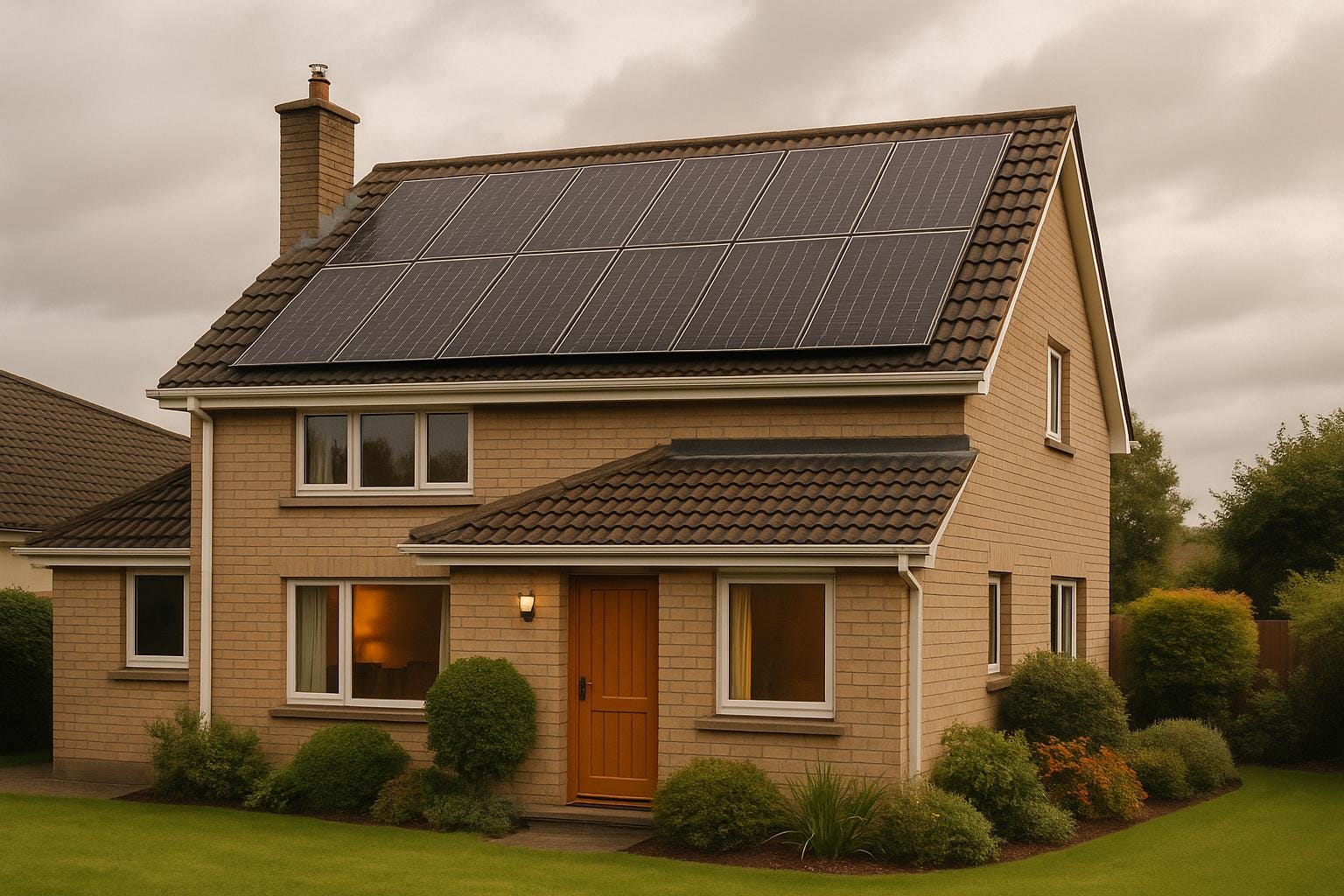
Contrary to popular belief, solar panels can actually enhance both the appearance and value of your home. Thanks to modern advancements, options like in-roof installations and solar roof tiles are designed to blend seamlessly with your home’s architecture. Instead of looking like an afterthought, these systems integrate smoothly into the roofline. As Thompsons explains:
If an array is installed well, it can often look attractive on a roof. Options such as in‑roof are also designed to allow the array to effectively become part of the roof and so look more aesthetically pleasing.
Worried about glare? There’s no need. Solar panels are engineered to absorb light rather than reflect it, using anti-reflective coatings and ultra-transparent glass. In fact, they reflect less light than standard windows, meaning they won’t cause disturbances or annoy your neighbours. This thoughtful design not only improves the look of your property but also makes it more appealing to prospective buyers.
The benefits go beyond just appearances. Homes equipped with solar panels often sell faster and at higher prices. Buyers are increasingly drawn to energy-efficient properties that promise long-term savings on utility bills. GE Solutions highlights this trend:
In reality, studies have shown that homes with solar panels tend to have higher property values and sell faster than those without. Homebuyers now prioritise energy‑efficient properties that offer long‑term savings, making solar panels a desirable feature that enhances market appeal.
A professional installation is crucial to achieving this polished, integrated look. EECO Energy’s MCS-accredited installers typically complete installations in just one day. They carefully select the right mounting equipment for your roof and ensure the process protects your property. Any removed roofing materials are promptly replaced or sealed to prevent damage. When installed properly, solar panels can even act as a shield, protecting your roof from sunlight, rain, and hail, which helps to preserve the covered sections.
In short, solar panels aren’t just a practical addition – they’re an investment in your home’s future value and appeal.
Conclusion: Why Home Solar Energy Works for Northern Ireland
The evidence speaks for itself – solar panels perform well in Northern Ireland’s climate. They don’t rely on heat to generate electricity but instead harness daylight, meaning they can still produce about 10% of their output even on cloudy or rainy days. Other regions with similar weather patterns have shown that consistent sunshine isn’t a prerequisite for solar energy success.
The financial aspect is equally persuasive. With typical installation costs averaging around £6,100, homeowners can expect to break even in roughly 10 years, making solar a wise long-term investment. Over their lifespan of 25–30 years, solar panels not only offer significant savings but also help cut your carbon footprint by about one tonne of CO₂ annually. Plus, modern solar panels are built to handle Northern Ireland’s weather with no issues.
On top of the practical advantages, solar panels increase your property’s value and attractiveness. Research shows that homes equipped with solar systems tend to sell faster and command higher prices as buyers increasingly look for energy-efficient features. With sleek, modern designs that integrate neatly into your roof, today’s solar panels combine functionality with style, reinforcing the benefits discussed earlier.
EECO Energy takes these advantages a step further with their MCS-accredited installers, ensuring professional and efficient installations – often completed in just one day. Backed by a 25-year warranty and offering full coverage across Northern Ireland, the process is simple and stress-free. Whether you’re considering a 4.5 kW system starting at £3,950 or a larger setup, the mix of affordability, efficiency, and long-term savings makes solar energy an excellent choice for Northern Irish homes.
FAQs
Do solar panels work effectively in Northern Ireland’s cloudy weather?
Yes, solar panels can generate electricity even on cloudy days. Although their efficiency decreases under overcast skies, they usually produce about 10–25% of their normal output, depending on the density and type of cloud cover. Since solar panels rely on daylight rather than direct sunlight, they remain a dependable energy option, even in the often grey skies of Northern Ireland.
What are the financial advantages of installing solar panels at home?
Installing solar panels can help you save significantly on your energy bills, often cutting costs by £400 or more each year. While there’s an upfront expense, most systems cover their costs within 11 to 15 years – and they can keep producing free electricity for over 25 years.
On top of that, you could earn extra by selling surplus energy back to the grid through export tariffs, boosting your overall returns. Over time, solar energy offers a reliable return on investment, typically around 5–6% annually. It’s a practical option for reducing expenses and gaining long-term energy independence.
Can installing solar panels increase my home’s value?
Installing solar panels doesn’t just help with energy savings – it can also increase your home’s value. Properties equipped with solar panels often catch the eye of buyers because they boost energy efficiency and can improve your Energy Performance Certificate (EPC) rating. In fact, some reports suggest this could raise your property’s value by up to 15%.
On top of that, solar panels reduce energy bills, which is a big draw for buyers seeking long-term savings. With energy costs steadily climbing in the UK, this added benefit makes homes with solar setups even more appealing.