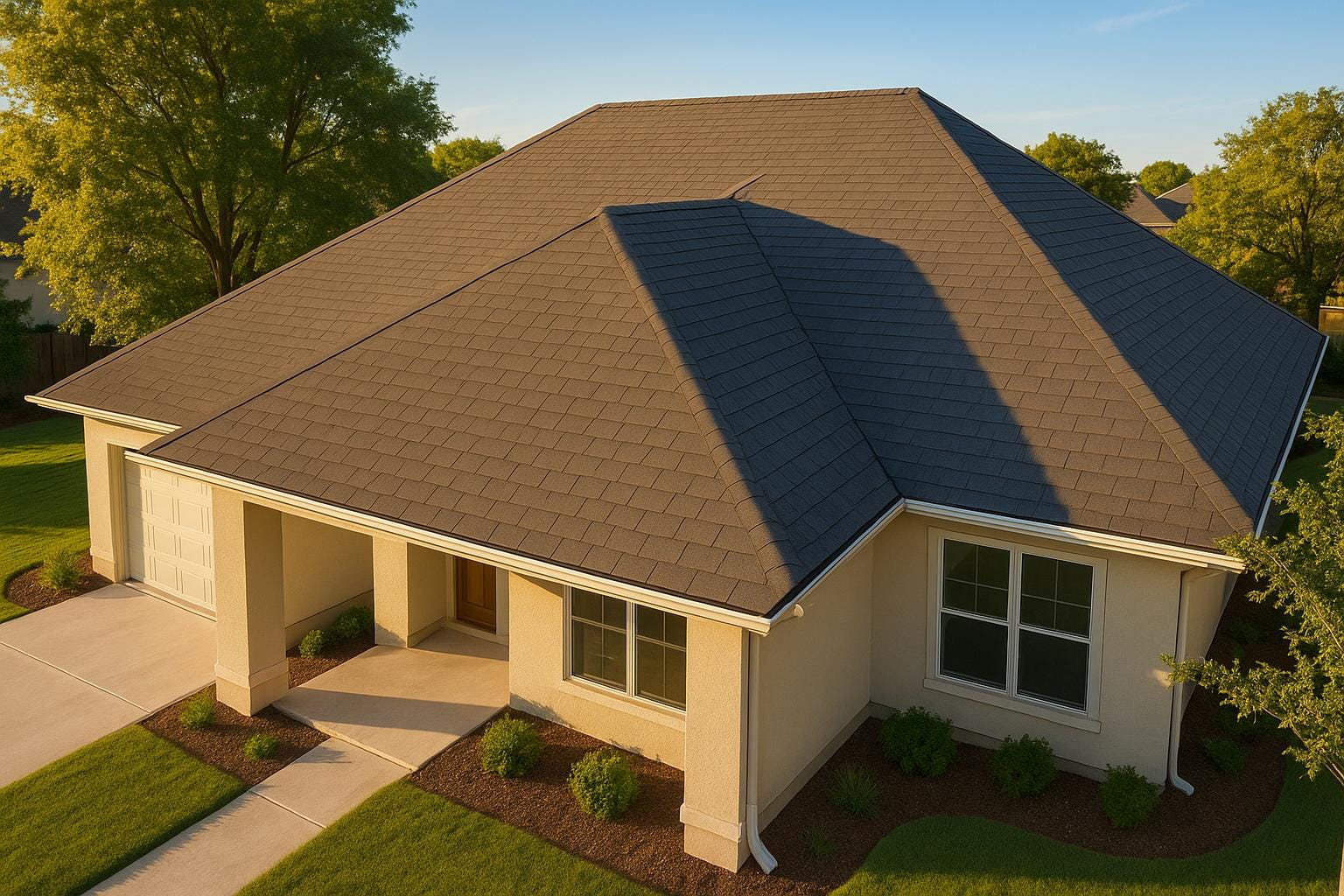
Thinking about installing solar panels? Before you start, it’s essential to make sure your roof is up to the task. A strong, well-suited roof ensures your solar system works efficiently and lasts for decades. Here are the five key factors to check:
- Roof Condition and Strength: Your roof must be in good shape to handle the weight of solar panels. Look for sagging, missing tiles, or water damage. Older homes or slate roofs may need professional evaluation.
- Direction and Angle: South-facing roofs are ideal in Northern Ireland, but east- or west-facing roofs can still perform well. A pitch between 30° and 40° is best for capturing sunlight.
- Shade Issues: Trees, chimneys, or nearby buildings can reduce energy output. Address shading by trimming trees or using advanced solar tech like microinverters.
- Available Space: A typical 4kW system needs 20–24 m² of clear roof space. Obstructions like chimneys or dormers may limit usable area, but smart panel placement can help.
- Roof Age and Material: Your roof should last as long as the panels (20–30 years). Materials like asphalt shingles and metal are ideal, while older roofs may need repairs or replacement first.
Tip: Get a professional roof survey to evaluate these factors and ensure your roof is ready for solar installation. A little preparation now can save you time, money, and hassle in the future.
1. Roof Condition and Load-Bearing Capacity
Before installing solar panels, it’s crucial to ensure your roof is in good condition. Solar panels add extra weight, so your roof must be strong enough to handle the load safely over the long term. A compromised roof not only risks structural damage but could also jeopardise your solar investment.
Checking Your Roof’s Strength
Start by inspecting your roof from the ground. Look for signs like sagging rooflines, missing tiles, or water stains on ceilings inside your home. These could indicate underlying issues. For a more thorough assessment, bring in a professional. Older homes, in particular, may have weakened materials or structural wear that impact load-bearing capacity. A structural engineer or an experienced solar installer can examine the timber framework for signs of rot, insect damage, or previous repairs, ensuring it can handle the mounting systems that create concentrated load points.
If your home has a slate roof, a professional evaluation is even more important. Slate is heavier than many other roofing materials, and the combined weight of the roof and solar panels could strain the building’s foundation without proper assessment.
Once you’re confident your roof is strong enough, it’s time to review local building control requirements.
Building Control Requirements
In Northern Ireland, solar panel installations must be approved by local council building control departments. This ensures your roof can safely support the added weight and that the electrical components meet current safety standards.
"For the regulatory consent to be distributed, the building control’s inspecting officer will need to verify that the roof of the structure is able to support the additional weight of the rooftop solar panels, and they will also need to check the electricals of the system to ensure they are safe." – Carson McDowell
The building control process involves a detailed inspection to confirm the roof’s structural integrity, particularly when panels are mounted on top of existing tiles. Electrical systems are also checked to minimise risks like fire or electrocution.
"It is important to confirm that all solar panel installations have passed the standard building regulation guidelines and that the usual statutory consents, to include building control approval and accompanying completion certificate, have been issued by the local council building control department." – Carson McDowell
If panels are installed without the necessary approvals, you may need to apply for a building control regularisation certificate. While this provides retrospective approval, it can be a complicated process and might affect your ability to secure a mortgage or sell the property in the future.
Most reputable solar installers take care of the building control application process for you. To ensure everything runs smoothly, choose an installer accredited by schemes like the Microgeneration Certification Scheme (MCS). These professionals adhere to recognised standards and are well-versed in navigating the required regulations.
Additionally, all solar installations in Northern Ireland must comply with the Engineering Recommendation EREC G98/NI standard. This governs grid connection and inverter limits, which, while separate from structural requirements, are equally important for a legally compliant installation.
2. Roof Direction and Angle
The direction and pitch of your roof play a key role in how well solar panels perform. In Northern Ireland, where daylight hours can be limited during winter, it’s especially important to optimise these factors for maximum energy production. Here’s a closer look at the best roof orientations and angles for solar panel installations.
Best Roof Direction
South-facing roofs are the gold standard for solar panels in Northern Ireland, as they receive the most direct sunlight throughout the day. This consistent exposure ensures steady energy production from sunrise to sunset.
But don’t worry if your roof doesn’t face directly south. East and west-facing roofs can still achieve 85–90% of the energy output of a south-facing roof. East-facing panels are great for capturing the morning sun, while west-facing panels shine in the afternoon – perfect for meeting energy demands when families return home.
North-facing roofs, on the other hand, are the least suitable for solar panels. They get very little direct sunlight year-round, making the energy output too low to justify the investment.
If your roof has multiple sections facing different directions, you can still make it work. Many homeowners opt for a combination of east- and west-facing panels to balance energy production throughout the day.
Best Roof Angle
For optimal performance in Northern Ireland, a roof pitch between 30° and 40° is ideal as it captures sunlight most effectively across all seasons.
Most UK homes already have roof pitches between 30° and 45°, which is well within the ideal range. Even if your roof’s angle is slightly outside this range, don’t fret – roofs pitched between 20° and 50° still deliver 90–95% of peak performance.
Flat roofs require angled mounting systems to tilt the panels to the optimal angle and ensure proper spacing between rows. While this adds some cost, it significantly boosts energy efficiency.
Steep roofs with pitches over 50° are also viable, though they need specialised mounting equipment and extra precautions during installation. There’s a bonus here: the steep angle helps rain wash away dirt and debris, keeping your panels cleaner.
To get a clear picture of your roof’s potential, a professional survey can assess both its angle and direction. This helps predict the energy output of your solar system with precision.
3. Shade and Blocked Sunlight
Shade can have a surprisingly big impact on how well solar panels perform. Even small shadows can reduce the energy output of an entire system. Common culprits include nearby trees, chimneys, satellite dishes, neighbouring buildings, and roof features like dormer windows. It’s important to evaluate how much shade your roof gets throughout the year – what seems fine in summer might cause significant shading in winter. Understanding these patterns is key to planning an effective solar panel setup, which we’ll explore in the next section.
Winter Shade Challenges
In Northern Ireland, winter brings its own set of shading problems. During these months, the sun sits much lower in the sky, meaning objects that barely cast a shadow in summer can create much longer ones in winter. For instance, a tree or building that seems harmless in summer could block a significant amount of sunlight during winter. Similarly, roof features like chimneys or dormer windows might cast longer and more frequent shadows when the sun is lower, cutting into your system’s efficiency.
Tackling Shade Issues
Dealing with shading is all about strategy. Trimming back overhanging branches is a simple first step. Installing power optimisers or microinverters can help by allowing each solar panel to work independently, so shading on one panel doesn’t drag down the performance of the others. Thoughtful placement of panels is also crucial – avoiding areas that are consistently shaded throughout the year can make a big difference.
Sometimes, working with your neighbours can lead to solutions, especially if overhanging trees or shared boundaries are contributing to the problem. To get it right, a professional shade analysis is essential. This will map out how shadows move across your roof at different times of the day and year, helping to design a solar system that works efficiently in all seasons. Once shading concerns are addressed, the next step is to evaluate your roof’s available space to maximise energy production.
sbb-itb-d2d975a
4. Available Roof Space and Layout
To determine if your roof can support a solar system, it’s essential to assess the available, unobstructed area and its overall layout. This helps you understand how much space is needed for installation and whether your roof is suitable.
Space Needed for Solar Panels
For a typical 4kW solar system – ideal for most average-sized homes in Northern Ireland – you’ll need about 20–24 m² of clear roof space. This size generally accommodates around 10–12 panels.
It’s crucial that this area is free from obstructions and receives consistent sunlight. Even on larger roofs, features like dormers or chimneys can reduce the usable space. Additionally, building regulations require panels to be installed at least 1 metre from the roof edges to ensure safety and allow for maintenance access. This safety margin can significantly reduce the available area on smaller roofs.
Working Around Roof Features
Obstructions such as chimneys, skylights, vents, or dormers can complicate panel placement. These features not only take up space but can also cast shadows that reduce the efficiency of nearby panels. For example, a chimney might only occupy a small section of the roof but can cast a shadow over several panels during the day, especially in winter when the sun is lower in the sky.
As Hollister Roofing explains:
"Obstructions such as chimneys, dormers, shadows from the trees, buildings, or neighbours whose house is taller than yours should be limited. If your solar panel does not have a clear path to get the right amount of sunlight, chances are the production of electricity is reduced."
To address these challenges, professional installers use smart design strategies. Solar arrays can be split into multiple sections to fit around features like skylights, vents, or pipe boots, maximising the usable space across different parts of the roof. This approach ensures that even smaller or irregularly shaped roofs can support an efficient solar system.
New York State Solar Farm also notes:
"Chimneys, skylights, vents, and other structures can take up space or cast shadows on the panels, reducing their efficiency. Your installer will design a layout that avoids these areas."
For roofs with limited space, high-efficiency panels can be a game-changer. These panels generate more power per square metre, allowing you to meet your energy needs with fewer units.
Even complex roof designs with multiple levels, valleys, or unusual angles don’t automatically disqualify you from installing solar panels. Modern mounting systems are highly adaptable, and experienced installers can create custom layouts that work with your roof’s unique characteristics.
The key is to strike a balance between the number of panels you can install and their positioning to maximise sun exposure. In some cases, installing fewer panels in optimal locations may deliver better performance than trying to fit more panels into areas with shading or poor orientation.
5. Roof Age, Materials, and Upkeep
After assessing your roof’s strength, orientation, and shading, it’s time to evaluate its age and materials to ensure it can handle solar panels over the long term.
The condition and age of your roof are critical factors when planning for solar panel installation. Since solar panels typically last 20–30 years, your roof needs to be in excellent shape to support this long-term commitment.
How Roof Age Impacts Solar Installation
An older roof may require repairs or even a full replacement before the solar panels outlive their usefulness. If your roof is likely to need replacing within the next 5–10 years, it’s better to upgrade it beforehand. This avoids the hassle and cost of removing and reinstalling solar panels later on.
The remaining lifespan of your roof should ideally match the expected lifespan of your solar panels. This alignment helps you avoid disruptions and expenses down the line. Additionally, older roofs may hide structural issues that could compromise their ability to support the panels. Ensuring the roof decking and structure are sound is crucial for the system’s durability.
Roofing Materials and Their Suitability
The type of material your roof is made from has a significant impact on both the ease of installation and the system’s long-term performance.
| Material Type | Suitability | Considerations |
|---|---|---|
| Asphalt shingles | Ideal | Durable and easy to install |
| Metal roofs | Ideal | Long-lasting and simple to work with |
| Tile roofs | Possible | Requires extra care; higher labour costs |
| Slate roofs | Possible | Fragile; installation needs precision |
| Thatch roofs | Unsuitable | Fire hazards and mounting difficulties |
| Glass roofs | Unsuitable | Weight and securing challenges |
| Asbestos | Unsuitable | Must be removed before installation |
Asphalt shingles and metal roofs are often the best options for solar installations due to their durability and ease of handling. While tile and slate roofs can accommodate solar panels, they require more careful installation and may lead to higher labour costs. On the other hand, materials like thatch, glass, and asbestos are generally unsuitable. However, for specific cases, alternative solutions like solar tiles or transparent panels can be used. For example, solar tiles can mimic traditional roofing, while transparent panels are ideal for conservatories, providing shade and electricity at the same time.
Once you’ve confirmed your roof material is compatible, address any necessary repairs before moving forward with installation.
Pre-Installation Repairs
Before installing solar panels, inspect your roof thoroughly to ensure it can handle the added weight and last for at least 25 years. A professional installer can evaluate the roof’s structural integrity and may recommend a report confirming it’s ready to support the panels and mounting equipment.
Common problems to look out for include loose or missing tiles, leaks, and moss growth. Leaks can cause rot in the roof’s structure, while moss can lift tiles or create gaps, allowing water to seep in. These issues need to be fixed before installation. The inspection should also cover underlying structures like roof decking, rafters, and support beams.
If your roof shows signs of significant wear or structural issues, replacing it before installing solar panels is a smart move. This prevents the need for costly removal and reinstallation in the future.
Conclusion: Getting Ready for Solar Power
When it comes to preparing your roof for solar panels, there are five key factors to consider: structural strength, ideal orientation, minimal shading, sufficient clear space, and suitable age and materials. A roof that ticks these boxes is more likely to provide reliable energy savings and long-term efficiency for your home in Northern Ireland. But don’t worry if your roof doesn’t meet all these requirements perfectly – there are often practical solutions, like trimming back overhanging branches or addressing minor structural issues before installation.
A professional roof survey is essential to identify the specific opportunities and challenges for your property. EECO Energy’s team brings a deep understanding of Northern Ireland’s weather patterns and building regulations, ensuring your solar system is tailored to meet local standards.
Once your roof is prepared, expert installation guarantees a smooth transition to solar energy. With systems starting at £3,950 for a 4.5kW setup and a 25-year warranty, EECO Energy takes the uncertainty out of the process. Their free surveys and detailed quotes across Northern Ireland make it easier to lower your energy bills and reduce your carbon footprint with confidence.
FAQs
How do I know if my roof is ready for solar panels?
To figure out if your roof is ready for solar panels, start by assessing its structural condition. The roof should be in solid shape, without problems like loose tiles, leaks, or heavy moss growth. It’s also important to ensure it can handle the weight of solar panels and has enough years left in its lifespan to match or outlast the panels.
For the best results, your roof should ideally face within 90 degrees of south and remain clear of major shading from trees, chimneys, or nearby buildings. Bringing in a professional for an inspection can confirm if your roof is up to the task and give you confidence before moving forward with installation.
What can I do if my roof’s orientation or pitch isn’t ideal for solar panels?
If your roof’s angle or orientation isn’t ideal for solar panels, don’t worry – there are still options to harness solar energy effectively. For example, adjustable mounting systems can be installed to tilt the panels, helping them capture more sunlight, even on flat or less-than-ideal roof surfaces.
On top of that, advanced solar technologies like microinverters and optimisers can significantly boost energy output. These tools are especially useful for overcoming issues like shading or imperfect panel angles. By working with a qualified installer, you can get a system tailored to your roof’s specific conditions, ensuring you make the most of solar power, no matter your roof’s design.
Do I need any permissions or approvals to install solar panels on my roof in Northern Ireland?
In Northern Ireland, the majority of solar panel installations fall under permitted development, which means planning permission is generally not required. However, there are exceptions. If your property is a listed building or situated in a conservation area, you might need special approvals before proceeding.
Even when planning permission isn’t necessary, building regulations still apply. These ensure that the installation is safe and complies with standards such as G98/NI compliance. To avoid any surprises, it’s wise to consult your local council or planning office before starting your project to confirm the specific requirements for your property.