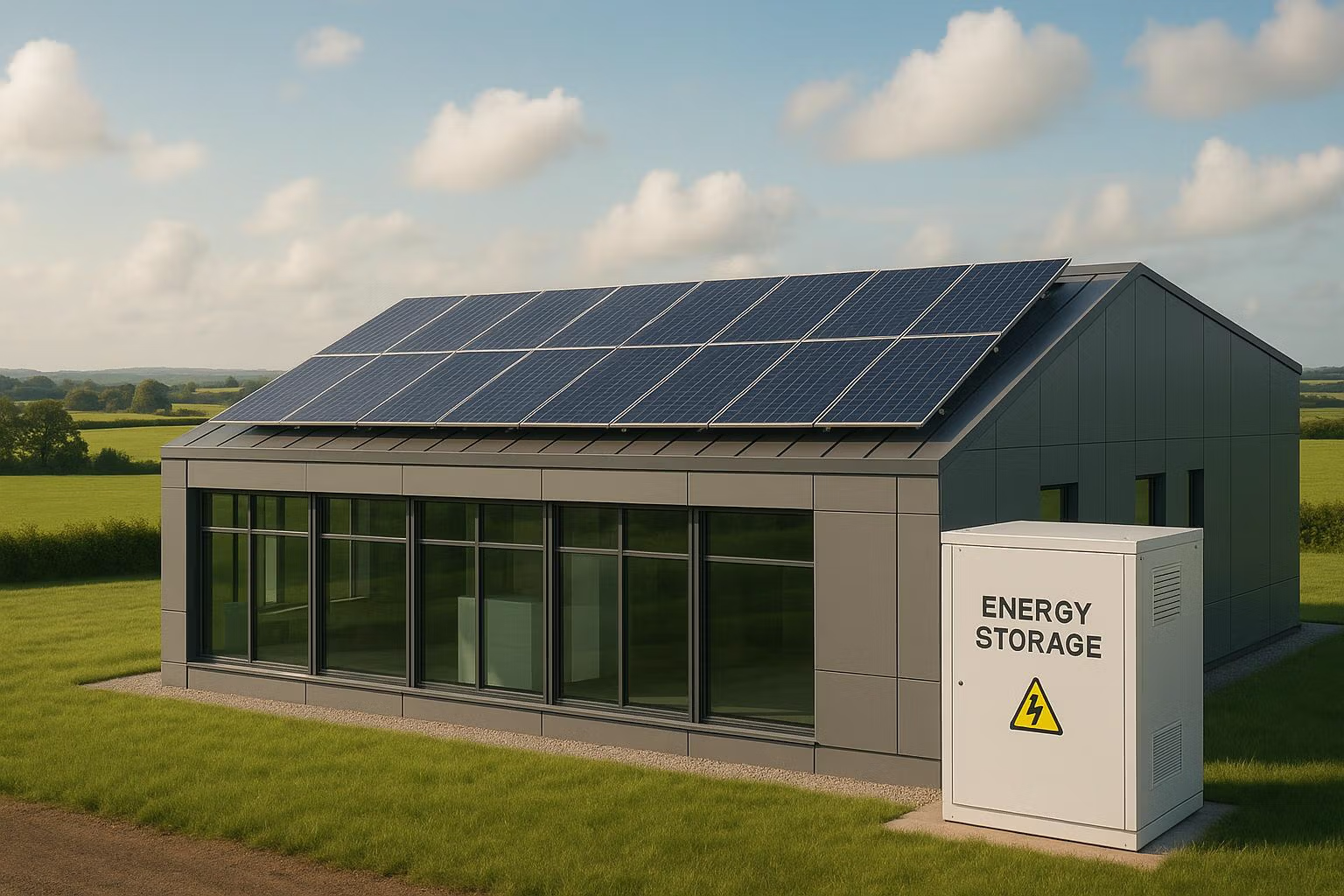
Commercial energy storage systems are transforming how businesses in Northern Ireland manage energy costs and reliability. These systems store energy during low-demand times or when renewable generation exceeds usage, providing power during peak hours or outages. Rising energy costs, grid dependency, and carbon reduction goals make these solutions increasingly relevant for businesses.
Key Benefits:
- Lower energy bills by using stored energy during peak pricing.
- Backup power to prevent downtime and protect operations.
- Carbon emission reductions and energy independence.
- Potential savings of £20,000–£30,000 over 25–30 years with solar and storage systems.
Support Available:
- The Northern Ireland Sustainable Energy Programme (NISEP) offers grants for SMEs and sole traders to offset installation costs. Funding is limited and requires thorough documentation, including energy assessments and installer credentials.
Popular Solutions:
- Lithium-ion batteries for high efficiency and long lifespan.
- Hybrid inverters for seamless integration with solar systems.
- Systems like Duracell batteries, approved for local use, ensure compliance with UK standards.
Getting Started:
- Assess your energy usage and needs.
- Consult an MCS-accredited installer like EECO Energy for expert advice.
- Apply for NISEP funding to reduce upfront costs.
- Combine storage with solar PV for maximum savings.
Commercial energy storage is a smart investment for businesses aiming to cut costs, enhance reliability, and meet sustainability targets. Start planning today to take advantage of grants and long-term savings.
Available Incentives and Support Schemes for Commercial Energy Storage
The Northern Ireland government has put in place measures to help businesses transition to sustainable energy solutions. These incentives aim to ease the initial costs of commercial energy storage, making it more accessible for businesses keen to tackle rising energy bills and lower their carbon emissions. A standout example of this support is the Northern Ireland Sustainable Energy Programme (NISEP).
Northern Ireland Sustainable Energy Programme (NISEP)
NISEP is a key funding initiative designed to encourage businesses to adopt renewable energy technologies and improve energy efficiency. It primarily targets small and medium-sized enterprises (SMEs) and sole traders in Northern Ireland. To qualify, applicants need to show how their energy storage system will cut carbon emissions and improve energy efficiency in their operations.
The programme provides financial assistance to offset upfront costs, but funding is capped. Applicants are typically required to submit detailed technical documents, past energy usage data, and projections for energy savings and carbon reductions as part of their application.
Grant Amounts and Timeframes
Through NISEP, eligible businesses can receive grants that cover a portion of their project costs, with the funding scaled to match the size of the project. However, there’s a defined funding limit to ensure the scheme remains accessible to businesses of all sizes.
Funding is distributed on a first-come, first-served basis, so it’s essential to plan ahead and allow enough time to prepare and submit applications. Payments are made in stages: an initial payment is released when the project begins, and the remainder is provided upon successful completion and commissioning of the energy storage system. This staged payment structure helps businesses manage cash flow while ensuring projects are delivered as planned.
Required Documents for Applications
Securing funding through NISEP requires thorough preparation, as applications must include comprehensive documentation to demonstrate the project’s feasibility and compliance with the programme’s requirements. Missing or incomplete documents can lead to delays or even rejection, so attention to detail is critical.
Here’s what you’ll need:
- Electricity bills: Recent bills are required to establish your business’s baseline energy consumption, helping assessors evaluate the potential savings and benefits of the proposed system.
- Technical specifications: Detailed information on the equipment, including datasheets for batteries, inverters, and control systems, must be provided. These documents should confirm compliance with British and European standards.
- Installer credentials: Proof of MCS accreditation for the installer is mandatory, alongside evidence of public liability insurance and experience with commercial energy storage projects.
- Business registration documents: This includes Companies House registration, VAT certificates, and proof of business premises in Northern Ireland. Sole traders must provide evidence of self-employment and HMRC registration.
- Project quotes: Itemised quotes for equipment, installation, and additional services are necessary to show procurement diligence.
- Energy assessment reports (for larger installations): These reports outline current energy use, peak demand periods, and the expected benefits of the energy storage system. Many businesses hire energy consultants to ensure these assessments meet technical and programme standards.
Types of Commercial Energy Storage Solutions
Commercial energy storage has come a long way, providing businesses with a range of technologies tailored to different energy needs. Choosing the right system can make a big difference in managing operational demands and staying within budget. Below, we’ll break down the key options and their practical applications, particularly for businesses in Northern Ireland.
Battery Storage Technologies
Lithium-ion batteries are at the forefront of the commercial energy storage market. Why? They offer a combination of high energy density, long lifespan, and minimal upkeep. Plus, their high round-trip efficiency makes them a popular choice for businesses looking to optimise energy use.
Hybrid inverters are another game-changer. These devices integrate solar power with battery storage, ensuring energy flows are optimised based on demand and pricing. They’re especially useful for businesses that want to make the most of their renewable energy systems.
For operations that need extended backup power, long-duration energy storage systems are a solid option. They’re designed to provide prolonged discharge times, making them ideal for industries like manufacturing, healthcare, and data centres – where even a brief power outage can cause major disruptions.
One of the best features of these systems is their modular design. This means businesses can expand capacity as their energy needs grow or as more funding becomes available.
Approved Systems in Northern Ireland
When it comes to Northern Ireland, specific systems have been approved to meet local conditions and regulations.
Duracell battery systems are a standout option for businesses in the region. Installed by EECO Energy, these systems comply with local regulations and grant requirements, ensuring they’re both effective and reliable.
Many of the approved systems also come equipped with smart monitoring tools. These provide real-time insights into energy generation, storage levels, and consumption patterns. With this data, businesses can fine-tune their energy use and identify new ways to save on costs.
Commercial systems in Northern Ireland must meet strict standards, including compliance with British Standards (BS) and European Conformity (CE) marking. Safety is paramount, so features like fire suppression systems and emergency shutdown procedures are often required – especially for installations in occupied spaces.
Common Business Applications
These energy storage solutions are designed to address the specific needs of businesses in Northern Ireland, focusing on cost savings and reliable energy management.
Battery systems are perfect for load shifting – storing energy during off-peak hours – and peak shaving, which reduces demand spikes and lowers overall electricity costs.
For businesses that can’t afford downtime, backup power systems are invaluable. They provide instant, silent power during outages, without the emissions or fuel costs associated with diesel generators. Retailers, medical facilities, and food service providers are just a few examples of businesses that benefit from this reliable backup.
Solar energy integration is another major advantage. Instead of selling excess solar power back to the grid at lower rates, businesses can store it for use during times when electricity costs are higher, maximising the return on their renewable energy investment.
Larger storage systems can even generate revenue through grid services. By participating in grid balancing programmes, businesses can earn payments for helping to stabilise the electricity network during periods of high demand or supply fluctuation.
The right storage system depends on how it will be used. Whether it’s for peak shaving, backup power, or load shifting, the required storage capacity will vary based on the specific energy demands of the business.
Financial Considerations and Return on Investment
Expanding on the energy challenges and advantages previously discussed, it’s clear that commercial energy storage can offer substantial financial benefits for businesses in Northern Ireland. While the initial investment might seem steep, the long-term savings, potential revenue streams, and increased energy independence make it a worthwhile consideration – particularly when paired with available incentives.
Costs Involved in Commercial Battery Storage
The cost of a commercial energy storage system can vary significantly depending on several factors, including the system size, type of technology, installation complexity, and whether it’s integrated with renewable energy sources like solar panels. These costs typically include the battery system itself, installation, commissioning, ongoing maintenance, and potential future upgrades. When paired with solar PV systems, the savings can be even more pronounced.
EECO Energy provides installation services that include everything from site assessments and system design to testing and final handover, all in compliance with local regulations.
Savings and Revenue Opportunities
Commercial energy storage systems can bring down energy costs while also opening up opportunities for revenue generation. By reducing reliance on the grid, businesses can save through load shifting – using stored energy during peak pricing periods – and even earn revenue by contributing to grid stability.
For businesses generating their own renewable energy, such as through solar panels, storing and optimising that energy use can lead to even greater cost reductions.
Understanding Payback Periods
Payback periods can be calculated by comparing the net upfront investment (after accounting for grants) with the annual savings and revenue generated. The exact timeframe will depend on the system’s configuration and the business’s energy consumption patterns. However, incentives like those offered by the Northern Ireland Sustainable Energy Programme (NISEP) can significantly improve the financial appeal of such investments.
Beyond the initial payback period, commercial battery storage systems continue to deliver savings and protect businesses from rising energy costs. With proper upkeep, these systems can provide economic benefits for many years, making them a smart long-term investment. Choosing a trusted installer who adheres to compliance standards is key to maximising these advantages.
sbb-itb-d2d975a
Choosing an Approved Installer and Meeting Requirements
Picking the right installer isn’t just about getting the job done – it’s about ensuring your energy storage system operates efficiently, safely, and in line with all necessary regulations. A quality installation impacts everything from system performance and warranty validity to compliance with safety standards and incentive programme requirements.
Why MCS Accreditation Matters
The Microgeneration Certification Scheme (MCS) is the UK’s gold standard for renewable energy technologies. It sets strict benchmarks for both installers and the products they use, ensuring your commercial energy storage system meets government-recognised standards for quality, safety, and performance.
Opting for an MCS-accredited installer offers more than just technical expertise. Consumer protection is built into the framework, as all MCS-certified installers must be members of a consumer code approved by the Chartered Trading Standards Institute, such as RECC or HEIS. This not only safeguards your investment but also ensures compliance with insurance requirements. Many commercial insurance policies only cover renewable systems installed to MCS standards, meaning uncertified installations could leave your business exposed to financial risks.
Checking an installer’s MCS accreditation is easy – simply verify their credentials on the official MCS website. This small step can save you significant trouble down the line. Companies like EECO Energy exemplify this standard, combining certification with a commitment to comprehensive service.
EECO Energy‘s Expertise and Offerings
EECO Energy is a fully MCS-accredited installer, authorised to install Duracell battery systems across Northern Ireland. Their expertise goes beyond installation, offering a complete suite of energy solutions, including ongoing maintenance and support.
From initial site assessments to system commissioning, EECO Energy provides end-to-end commercial energy storage solutions. Their team holds the Level 3 Award in the Design, Installation, and Commissioning of Electrical Energy Storage Systems, ensuring strict adherence to BS 7671 standards and the IET Code of Practice for Electrical Energy Storage Systems.
Their services don’t stop at battery storage. EECO Energy also specialises in solar PV installations, EV charging stations, and system maintenance, allowing businesses to streamline their energy projects with a single, reliable provider. Operating across Northern Ireland, the company’s Duracell-approved status guarantees access to high-performance battery technology, backed by robust warranties and proven reliability.
Staying Compliant with Regulations and Best Practices
Compliance is key when it comes to commercial energy storage installations. Installers must hold Level 3 electrotechnical qualifications to verify and certify installations. They are also required to meet BS 7671 standards and complete the Level 3 Award in Electrical Energy Storage Systems.
For businesses applying for NISEP grants, working with a qualified installer is essential. The application process demands clear evidence of MCS accreditation and technical qualifications. Choosing the right installer from the start can help avoid unnecessary delays in securing funding.
Compliance doesn’t end with installation. Regular maintenance, performance monitoring, and adherence to manufacturer warranty requirements are crucial for keeping your system running smoothly over its lifespan. Qualified installers play a vital role here, ensuring that any system updates or modifications meet the same high standards.
The IET Code of Practice for Electrical Energy Storage Systems (3rd Edition) serves as the technical guideline for installers, covering everything from design and installation to commissioning and ongoing maintenance. By following these best practices, businesses can ensure their energy systems remain efficient, safe, and compliant.
Summary and Key Points
Commercial energy storage provides a practical way for businesses in Northern Ireland to cut energy costs and improve reliability. With government support, advanced technology, and skilled installers, it’s an opportunity worth exploring.
Why Commercial Energy Storage Makes Sense
Pairing commercial energy storage with solar panels can deliver a return on investment in about 4-5 years. This is achieved through lower energy bills, reduced peak charges, and protection from unpredictable energy prices.
By achieving energy independence, businesses can shield themselves from supply disruptions and rising costs, especially during peak demand periods when electricity prices spike. It also supports the shift to cleaner energy, helping to lower carbon emissions.
Operational efficiency is another key benefit. Storage systems optimise energy use, reduce downtime, and help businesses avoid costly disruptions. With fewer maintenance needs, they also lower operational costs over time.
The Northern Ireland Sustainable Energy Programme (NISEP) plays a vital role in making this technology accessible by covering a large portion of installation costs. Combined with the durability and low upkeep of modern battery systems, these financial incentives make energy storage a smart investment for businesses.
Steps to Get Started
If you’re ready to take advantage of these benefits, here’s what to do:
- Evaluate your energy usage: Understand your current energy consumption and peak demand patterns.
- Consult experts: Work with MCS-accredited installers like EECO Energy for a personalised assessment.
- Apply for NISEP funding: Secure grants while they’re still available.
- Integrate smart systems: Combine storage with solar panels, EV charging setups, and energy management systems to maximise efficiency.
EECO Energy specialises in Duracell battery systems and offers end-to-end energy solutions. Their expertise ensures businesses can adopt proven technology while meeting all regulatory requirements.
For the best results, consider your broader energy strategy. Commercial energy storage works even better when paired with solar PV systems, EV chargers, and advanced energy management tools. Planning these elements together can boost your financial savings and operational performance.
With the regulatory environment becoming increasingly supportive, now is the time to act. Businesses that invest in energy storage today can take advantage of current incentives, reduce future energy costs, and align with evolving environmental standards.
FAQs
What should I consider when selecting a commercial energy storage system for my business in Northern Ireland?
When choosing a commercial energy storage system for your business in Northern Ireland, there are several important factors to keep in mind. Start by assessing the system’s safety features, efficiency levels, and capacity to handle your current energy needs. It’s also worth thinking ahead – select a system that can adapt to future growth by offering scalability. Compatibility with your existing infrastructure is another critical consideration to ensure seamless integration.
Given the challenges posed by Northern Ireland’s ageing grid, an energy storage solution that helps lower energy costs, improves grid stability, and promotes energy independence can be a smart investment. To get even more value, look for systems that work well with renewable energy sources, like solar panels. This approach not only boosts long-term savings but also helps reduce your carbon footprint.
What steps should businesses in Northern Ireland take to qualify for NISEP funding for commercial energy storage?
To access NISEP funding, businesses need to install approved energy efficiency measures and strictly adhere to the scheme’s guidelines. This involves submitting essential documentation, such as proof of property ownership or tenancy agreements, along with income verification, to confirm eligibility.
Businesses are also required to meet the financial contribution set by the scheme. All installations must be completed to the specified standards by approved installers. Taking the time to thoroughly review the NISEP framework and ensuring compliance with its criteria can significantly improve the chances of a successful application.
What financial advantages can businesses gain by combining solar PV systems with commercial energy storage?
Combining solar PV systems with commercial energy storage offers businesses in the UK a smart way to cut costs. By storing excess solar energy and tapping into it during peak demand periods, businesses can sidestep higher electricity rates and lower their energy expenses. This strategy, called peak shaving, helps streamline energy consumption and keep costs in check.
On top of that, adding energy storage boosts energy independence and resilience. It reduces reliance on the grid, shielding businesses from potential power outages and ensuring smoother operations. Over time, these systems not only help manage energy costs more effectively but also play a role in reducing carbon emissions.