Solar panels have come a long way, but outdated myths still hold many homeowners back. Here’s the truth:
- Cost: Solar panels are now more affordable, with systems starting at £3,950. Government VAT reductions make installations even cheaper.
- Cloudy Weather: Panels work in daylight, not just direct sun. Even on cloudy days, they generate 10–25% of their usual output.
- Maintenance: Minimal upkeep is needed. Rain naturally cleans roof-mounted panels, and annual checks cost under £150.
- Winter Performance: Panels generate energy in winter thanks to diffused light and cooler temperatures, which improve efficiency.
- Appearance: Modern panels are sleek and can even increase home value.
- Savings: Lower electricity bills and schemes like the Smart Export Guarantee (SEG) mean you can also earn money by exporting surplus power.
Solar panels are a practical option for Northern Ireland, offering lower energy costs, long-term reliability, and a cleaner energy source.
Myth 1: Solar Panels Cost Too Much
A common misconception keeping homeowners from going solar is the belief that solar panels are too expensive. While this might have been true in the early days of solar technology, when systems were priced in the tens of thousands of pounds, the reality today is very different. Let’s take a closer look at how costs have changed, the role of government support, and the savings homeowners can expect.
Affordable Costs and Government Support
Over the last decade, the cost of solar systems has dropped dramatically, making them far more accessible. For example, EECO Energy offers competitive pricing for solar installations. A 4.5kW system with 10 panels now costs £3,950, while a larger 7.2kW system with 16 panels is priced at £4,850. These prices include everything required for installation, making solar a viable option for many households in Northern Ireland.
Battery storage has also become more affordable. A 10kWh Dyness battery is available for £2,400, while a premium Duracell system costs £3,650. These batteries allow homeowners to store surplus energy generated during the day for use at night, maximising the value of their solar setup.
Payback Periods and Long-Term Savings
The lower upfront costs are just one part of the equation. The long-term savings on energy bills make solar an even smarter investment. In Northern Ireland, homeowners can recover their initial solar investment in as little as 5–8 years. For most domestic systems, the payback period ranges from 10 to 13 years.
For instance, a 3-bedroom home with a 4.5kW system and a 3kWh battery can save around £883 a year on energy bills, resulting in a payback period of just over 11 years. Meanwhile, a household with a 5.2kW system can generate over 4,000kWh of energy annually, potentially saving up to £1,000 per year.
Businesses often see even faster returns, with payback periods typically ranging from 3 to 5 years.
System Costs and Energy Output
Here’s a breakdown of system sizes, their energy output, and prices:
| System Size | Number of Panels | Annual Energy Output (kWh) | Price |
|---|---|---|---|
| 4.5kW | 10 | 3,380 | £3,950 |
| 5.4kW | 12 | 4,400 | £4,350 |
| 7.2kW | 16 | 6,189 | £4,850 |
| 8.1kW | 18 | 6,685 | £5,700 |
| 9kW | 20 | 7,099 | £5,900 |
These figures assume a south-facing installation.
All systems come with 25-year warranties, ensuring peace of mind for decades. Even after the warranty period, most panels continue to produce electricity efficiently, extending their value well beyond 25 years.
In Northern Ireland, domestic solar installations, including panels and battery storage, typically cost between £4,850 and £13,000. Given the long lifespan of these systems and the potential savings on rising electricity bills, solar panels are not just an expense but a smart, long-term investment. They also have the added benefit of potentially increasing property value. The idea that solar panels are prohibitively expensive is clearly outdated, as modern systems offer both affordability and substantial savings.
Myth 2: Solar Panels Need Constant Sunshine
Many homeowners in Northern Ireland believe that solar panels are ineffective without constant sunshine. However, the truth is that solar panels can still generate electricity from daylight, even when it’s cloudy.
How Solar Works in Cloudy Weather
Solar panels are designed to harness photons from daylight, whether the light is direct or diffused by clouds. When clouds scatter sunlight, the ‘diffuse light effect’ allows panels to continue producing electricity, albeit at a reduced level.
"Just like you can still get sunburned on an overcast day, your panels are still working to convert daylight into clean solar energy." – P4 Solar
On cloudy days, solar panels typically produce between 10% and 25% of their usual output compared to clear, sunny conditions. Even on heavily overcast days, they can still achieve around 18% of their maximum capacity. For a typical 4kW solar system in the UK, this translates to roughly 1–2 kWh of energy per day.
Despite the UK experiencing overcast conditions for about 48% of the year, monocrystalline panels are particularly efficient at capturing diffused light. This ensures steady energy production throughout the year, even in less-than-perfect weather.
| Weather Condition | Efficiency |
|---|---|
| Clear sunny | 100% |
| Partially cloudy | 65% |
| Heavily overcast | 18% |
Northern Ireland’s cool, temperate climate further enhances the performance of solar panels, making them a practical energy solution.
Cool Weather Helps Panel Performance
Interestingly, solar panels work more efficiently in cooler temperatures. Their efficiency drops by about 0.34% for every degree above 25°C, meaning Northern Ireland’s mild weather keeps panels performing close to their optimal levels.
"Solar panels generate power even on cloudy and rainy days, making them a worthwhile investment for UK homeowners. While their output is reduced during grey weather, particularly in autumn and winter, they still provide enough electricity for significant energy cost savings." – Cinergi
The science behind this is simple: like most electrical devices, solar cells operate better in cooler conditions. The temperature difference between incoming photons and the electrons in the solar cells boosts energy generation. Additionally, frequent rain helps keep panels clean, ensuring they maintain steady performance.
With their ability to capture diffused light and the added benefit of cooler temperatures, solar panels remain a reliable energy option for homeowners in Northern Ireland, delivering consistent power throughout the year.
Myth 3: Solar Panels Need Constant Maintenance
It’s a common misconception that solar panels demand constant, expensive upkeep. In reality, they’re designed to be low-maintenance and highly durable, functioning efficiently for decades. Since solar panels have no moving parts, there’s little risk of wear or mechanical failure. Instead of relying on complex machinery, they use photovoltaic cells to convert sunlight into electricity – a process that’s remarkably straightforward and reliable.
For homeowners in Northern Ireland, the upkeep is refreshingly simple. On average, annual maintenance costs are under £150, which typically includes occasional cleaning and basic system checks. Thanks to the region’s climate, even these minimal efforts are further reduced.
Rain Does the Cleaning for You
Northern Ireland’s frequent rain showers act as a built-in cleaning system for solar panels. Rain naturally washes away dirt and debris, especially for roof-mounted panels installed at an angle. This slanted design helps rainwater flow across the surface, keeping the panels cleaner for longer.
Ground-mounted panels, however, may require a bit more attention since they’re closer to sources of dust and debris. Still, a quick manual cleaning every 12–18 months and a few preventive measures, like trimming nearby trees, are usually all that’s needed to keep your system running smoothly. Whether you opt for professional cleaning services or prefer the DIY approach depends on your comfort level with heights and the accessibility of your panels.
Batteries Are Easy to Maintain Too
Modern battery systems, like lithium-ion options often paired with solar installations, are built for reliability with minimal homeowner involvement. These batteries are equipped with performance monitoring systems that alert you to any issues, while regular software updates – usually automated – ensure they continue to operate efficiently.
Most solar batteries come with warranties of 10 years or more, so you can trust their longevity. Unlike older battery technologies, today’s systems don’t require water top-ups or constant checks. They’re designed to integrate seamlessly with your solar panels, charging during the day and delivering power when needed, all with very little effort on your part.
Myth 4: Solar Panels Stop Working in Winter
It’s a common misconception that solar panels become ineffective during winter because they supposedly rely on direct sunlight to generate electricity. However, this isn’t the case. Solar panels work by harnessing daylight, not just direct sunlight, meaning they continue producing power even during the shorter, gloomier days of Northern Ireland’s winter months.
The key difference lies in the amount of energy produced during winter, not whether the panels function. Naturally, with fewer daylight hours, energy production decreases, but your solar system doesn’t just stop working when the days get shorter.
How Solar Panels Perform in Winter
Even during winter’s shorter days, solar panels convert available light into electricity. Interestingly, cooler temperatures can actually enhance efficiency because lower temperatures improve electrical conductivity. Modern solar systems are also designed to make the most of diffused daylight, which is especially helpful in Northern Ireland’s cloudy winters.
Additionally, well-planned system designs and energy storage solutions ensure reliable performance throughout the year, regardless of the season.
Making the Most of Winter Energy
One of the best ways to maximise winter energy production is by using battery storage systems. These systems allow you to store surplus energy generated during brighter periods – like midday or summer months – and use it later, whether at night or on darker winter days. This ensures that even when production dips, you’re still making the most of the energy your system generates.
For those considering solar installations, dual-aspect arrays – where panels face different directions – can further boost energy capture. This setup is particularly useful in winter when the sun travels lower in the sky, helping to balance energy production across the year. Smart system designs and storage solutions mean seasonal fluctuations don’t have to be a concern.
sbb-itb-d2d975a
Myth 5: Solar Panels Look Bad and Lower Home Value
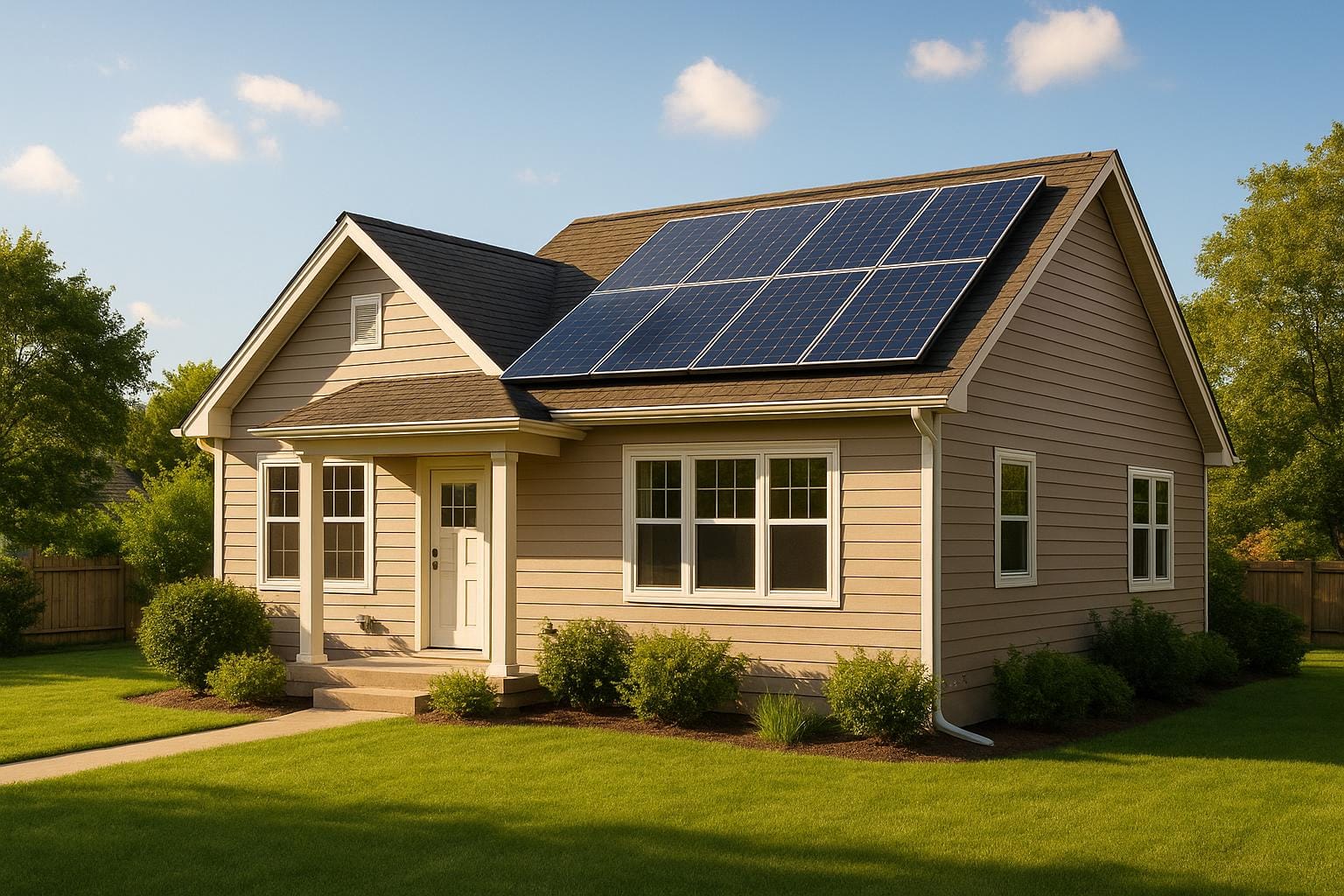
Some homeowners worry that solar panels might make their homes look industrial or unattractive. This perception often comes from outdated images of clunky, old-fashioned panels. But today’s solar technology paints a much sleeker picture.
Sleek Modern Designs
Modern solar panels are designed with aesthetics in mind. They now feature slim, low-profile designs with dark, uniform finishes that sit neatly against your roof. Rail-less mounting systems and integrated trim pieces make the panels blend seamlessly, giving your roof a polished, streamlined appearance. Some manufacturers even produce panels that double as roof tiles, creating an integrated and stylish look.
Many panels now come in all-black designs – both the cells and the backing are a single colour – eliminating the grid-like patterns of older models. This minimalist style has gained approval from architects and designers alike. Not only do these upgrades improve the visual appeal, but they also bring real financial advantages.
Higher Property Values
In the UK housing market, homes with solar panels are becoming increasingly desirable. Energy-efficient properties with solar installations often stand out to buyers, especially as energy prices continue to climb.
There are several reasons for this added appeal. First, buyers are drawn to the prospect of lower electricity bills, which can mean substantial savings over time. Second, as sustainable living becomes more important to many, solar panels signal eco-conscious choices that resonate with modern values.
Additionally, solar panels can improve a home’s Energy Performance Certificate (EPC) rating. A higher EPC rating not only makes a property more marketable but can also be critical for securing mortgages or renting out properties. With building regulations likely to evolve further, having a better EPC could prove even more beneficial in the future.
A professional solar installation also sends a clear message to potential buyers: the property has been thoughtfully upgraded with modern technology. Instead of looking like an afterthought, a well-executed solar setup reflects care, foresight, and a commitment to long-term value.
To maximise the benefits, it’s essential to invest in quality equipment and professional installation. By considering the rooflines, architectural features, and overall design, a properly planned solar system can enhance your home’s appeal while increasing its value. Solar panels, far from being an eyesore, can be a stylish and practical upgrade.
Myth 6: Solar Energy Doesn’t Save Money
There’s a persistent myth that solar energy doesn’t save money, but this idea overlooks the substantial long-term financial benefits that solar panels can offer. In truth, solar power not only reduces electricity bills but can also generate additional income.
Lowering Bills and Earning Extra Income
Solar panels work by producing electricity during daylight hours, which means you rely less on power from your energy supplier. Every kilowatt-hour (kWh) of electricity your panels generate directly reduces the amount of energy you need to buy – especially valuable as grid electricity prices continue to rise.
But the benefits don’t stop there. Thanks to the Smart Export Guarantee (SEG) scheme, homeowners can earn money by selling surplus electricity back to the national grid. For instance, on particularly sunny days, your panels might generate more electricity than your home needs. That extra energy doesn’t go to waste – it can be exported to the grid for a profit. As JEM ENERGY puts it:
"You may also be eligible for the Smart Export Guarantee (SEG), where you earn money by exporting unused electricity back to the grid." – JEM ENERGY
The SEG scheme ensures tariff stability until at least the 2030s, providing a sense of financial security. For a standard 4kW solar system, annual savings – including SEG payments – can range from £650 to £750. However, to qualify for SEG payments, your solar system must be installed by an MCS-accredited professional.
Smart Technology for Bigger Savings
The integration of smart technology, such as battery storage, takes these savings to the next level. With battery prices now 62% lower than they were in 2018, adding a battery system is more accessible than ever. Batteries significantly increase the proportion of self-generated electricity you can use, raising self-consumption rates from 30–40% to an impressive 60–80%.
This increase in self-consumption leads to even greater savings. While a solar-only system typically saves homeowners between £600 and £800 annually, adding a battery can boost those savings to £1,100–£1,500 per year. On average, the payback period for battery systems is now just 7–9 years.
Other smart technologies also play a role in enhancing savings. For example:
- Smart immersion controllers: These devices use surplus solar electricity to heat water, reducing the need for grid power.
- Smart EV chargers: These allow electric vehicles to charge during peak solar production hours, making the most of your system’s output.
Real-world examples highlight these benefits. One homeowner in Birmingham managed to pay off their solar panel system in under 10 years by incorporating smart energy use and battery storage.
Additionally, real-time monitoring software helps homeowners track solar production and battery performance. By using this data, they can optimise their energy consumption patterns to maximise savings.
With equipment costs dropping, technology advancing, and grid electricity prices climbing, solar panels paired with smart technologies offer a compelling way to lower energy costs and create a steady stream of income. These advantages thoroughly debunk the myth that solar energy doesn’t save money.
Conclusion: Making Informed Solar Decisions
In this article, we’ve tackled common misconceptions about solar energy – covering costs, performance, maintenance, and aesthetics – to uncover its genuine benefits.
Many of these myths come from outdated information that doesn’t reflect the advancements in solar technology today. Solar panels are now more affordable than ever and provide real, long-term financial savings.
Worried about cost? Modern systems are not only reasonably priced but also come with the added advantage of government schemes that make the switch even more appealing. For many homeowners, the initial investment proves worthwhile over time.
When it comes to performance, solar panels are surprisingly effective even in cloudy weather. Cooler temperatures and natural rainfall can actually help maintain their efficiency.
And maintenance? Forget the idea that solar systems need constant attention. Today’s panels are designed to last for decades with minimal upkeep, and battery systems require little care while offering greater energy independence.
Aesthetics have also come a long way. Modern solar panels are designed to blend with your home and could even increase its value.
On top of that, solar panels can lower your electricity bills and may even earn you extra income through the Smart Export Guarantee scheme. It’s clear they’re a smart, long-term investment.
For homeowners in Northern Ireland, don’t let outdated myths stop you. Solar technology is a practical, cost-effective way to secure your energy future. The real question isn’t whether solar works here – it’s whether you’re ready to take advantage of it. Why wait? Join the growing number of people enjoying the benefits of modern solar energy today.
FAQs
Do solar panels work effectively in cloudy weather, especially in places like Northern Ireland?
Yes, solar panels can generate electricity even on cloudy days, including in places like Northern Ireland. While their output might drop compared to sunny conditions, they usually function at 10% to 25% of their peak capacity during overcast weather. This is because modern solar panels are designed to harness both direct and diffused sunlight, allowing them to continue producing energy even under cloud cover.
The climate in Northern Ireland, with its mix of sunshine and clouds, is still suitable for solar energy. Over the year, solar panels can produce a substantial amount of electricity, offering a dependable and eco-friendly energy solution for households.
What are the financial advantages of installing solar panels, and how quickly can you recover the costs?
Installing solar panels can help you cut down on your electricity bills, which is especially appealing given the rising energy costs in the UK. For many homeowners, the installation costs are recouped within 6 to 10 years, depending on factors like how much energy you use, the size of your solar system, and schemes such as the Smart Export Guarantee (SEG).
But the benefits don’t stop there. Solar panels can boost your property’s value and reduce your dependence on the grid, providing both financial and environmental advantages in the long run. With a lifespan that often exceeds 25 years, the potential savings over time can be considerable.
Are there government schemes or incentives to make solar panel installation more affordable?
Yes, the UK government has introduced several initiatives to make solar panel installations more affordable for homeowners. One standout programme is the Smart Export Guarantee (SEG), which lets you earn money by selling any surplus electricity your solar panels produce back to the grid. On top of that, the VAT on solar panel installations has been reduced to 0% for most residential properties, making the initial investment more manageable.
To stay informed, it’s worth contacting your local council or reputable energy providers for the latest details on grants, schemes, or incentives available in your region. These initiatives can help ease the cost of switching to solar energy.